
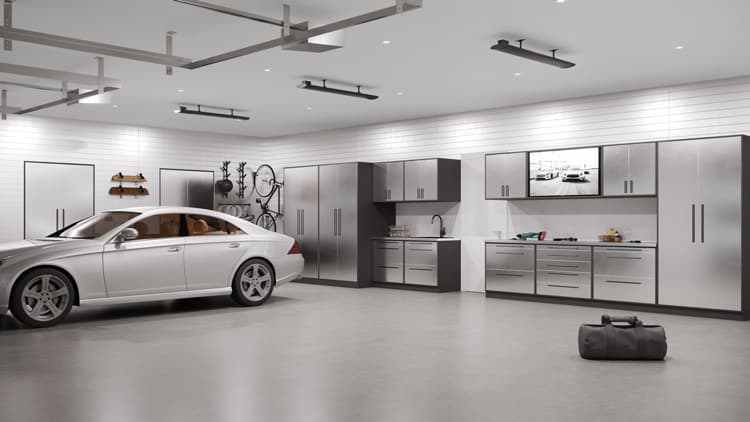
Garage Heater Placement: Tips for Maximum Efficiency
Proper garage heater placement means maximum warmth and minimum energy waste. Whether you use your garage for parking, projects or as a workshop, placing an electric garage heater in the right spot means even heat distribution, no waste and maximum comfort.
In this guide, we’ll examine the best garage heating solutions and infrared heaters and offer practical tips for safe and effective placement.
How to Place Aura Shadow Series Heaters in a Garage or Workspace
Aura Shadow Series heaters are designed for enclosed and semi-enclosed spaces such as garages, workshops, home gyms, hobby areas, and personal workspaces. Because infrared heat is directional, placement matters: the heater should have a clear path to the area where people work, exercise, repair, or spend time.
Place heat where people actually work
In a garage, the best heater location is not always the middle of the room. For infrared heating, the goal is to aim warmth toward the active zone, such as a workbench, tool area, gym mat, hobby table, or seating area.
- Target the area where people spend the most time.
- Keep the radiant path clear of shelves, cabinets, doors, and storage racks.
- Use the heater as a comfort-zone solution, not just a whole-room air heater.
Match placement to the garage layout
Garage doors, ceiling height, stored items, vehicles, and work areas all affect heater performance. The best Shadow Series layout should balance comfort, clearance, and direct heat coverage.
- Avoid aiming heat into the path of a frequently opened garage door.
- Check clearance requirements before mounting near ceilings, beams, or stored items.
- Plan the heater location around how the garage is actually used.
Workbench or tool area
Mount the heater so radiant warmth reaches the standing or seated work area directly. This is often the most practical placement for repair, hobby, or workshop use.
Home gym or hobby zone
Aim heat toward the activity zone while keeping proper spacing from mats, fabrics, stored items, and equipment. Comfort and clearance should be planned together.
One-car or two-car garage
Larger garages may need more than one heating zone. Instead of relying on one poor location to cover everything, plan around the areas where people actually spend time.
| Garage Area | Best Placement Approach | What to Avoid | Why It Matters |
|---|---|---|---|
| Workbench | Aim the heater toward the bench or standing work area. | Mounting behind cabinets, shelving, or tool walls. | Direct radiant heat works best when the path is clear. |
| Home Gym | Place the heater so it warms the workout zone without pointing directly at stored items. | Mounting too close to mats, fabrics, or equipment without checking clearance. | Comfort and safe spacing are both important in active-use garage spaces. |
| Parking Area | Position heat toward the area around the vehicle where people enter, exit, or work. | Expecting one heater to warm the entire garage evenly from a poor location. | Targeted heating helps improve comfort without unnecessary run time. |
| Garage Door Side | Use caution around drafty doors and plan for heat loss when the door opens. | Aiming heat into the path of a frequently opened garage door. | Open doors can quickly reduce comfort and waste heat. |
| Ceiling or Wall Mount | Choose the mounting position based on clearance, coverage, and the heater model. | Guessing clearance distances without checking the installation manual. | Safe installation depends on model-specific requirements. |
The practical takeaway
Aura Shadow Series heaters are best used as direct comfort solutions for defined garage and workspace zones. The strongest layout is usually the one that gives the clearest line of radiant heat to the workbench, gym area, hobby zone, or gathering space while respecting model-specific installation and clearance requirements.
Why Garage Heater Placement Matters
Proper garage heater placement is key. Poor placement means cold spots, uneven warmth, and wasted energy. Infrared heaters for garages work by radiating heat onto objects and people, not just the air, so placement is critical for maximum warmth.
When placed correctly, infrared heaters give you focused, energy-efficient heating and turn your garage into a warm space even in winter.
Learn more about how Aura’s Infrared Heating Technology makes this possible.
Choosing the Best Garage Heater for Your Space
Choosing the right garage heating solution is key to comfort and efficiency. Here are the key factors to consider:
- Type of Heater:
-
- Electric garage heaters: Easy to install; no venting or gas lines are required.
- Gas heaters: Powerful for large garages but require ventilation.
- Propane heaters: Portable and efficient but need tank refills.
- Heating Capacity: Calculate the wattage you need based on your garage size and insulation. A higher-wattage heater accounts for heat loss through doors and cold air drafts.
- Safety Features: Look for built-in safety features like overheat protection, tip-over shut-off and thermal cut-off for safe use in busy garages.
- Energy Efficiency: Choose heaters with high AFUE* ratings to save energy costs.
- Noise Level: If you use your garage as a workspace or living area, choose a low-noise garage heater to keep it quiet.
Explore Aura’s collection of electric garage heaters to find the perfect fit for your space.
Where to Place Your Garage Heater: Optimize Heat Near the Door
Your garage heater’s placement depends on your space’s size and layout. Here are the essential tips:
- Ceiling or Wall Mounting: Mounting electric garage heaters on the ceiling or high on a wall gives you more floor space and allows heat to radiate down. This works well in smaller garages and workshops.
- Near Work Areas: Mounting the heater above workbenches or key areas means targeted heat where you need it most, not wasted.
- No Obstacles: Make sure the heater’s path is clear. Infrared heaters for garages warm objects directly, so blocking the heat with shelves or large equipment reduces efficiency.
- Opposite the Garage Door: Placing the heater on a wall opposite the door minimizes heat loss and keeps the space comfortable even when the door is frequently opened.
Electric vs Gas Heater Placement
Electric garage heaters have several advantages over gas:
- Safe for Enclosed Spaces: Electric heaters emit no harmful gas, which is perfect for garages with no ventilation.
- No Fuel Storage: Electric heaters eliminate the need for propane or natural gas storage—just plug in and go.
- Flexibility: Electric models are easier to mount on ceilings or walls since they don’t require venting or gas lines.
Gas forced-air heaters require precise installation, proper venting and gas lines, which limits placement flexibility.
Installation Tips for Safe and Efficient Operation
Follow these guidelines for safe and efficient operation:
- Clearance: Ensure proper clearance from walls, ceilings, and combustible materials, following the manufacturer’s recommendations.
- Power Outlet Placement: Position the heater near a dedicated power outlet to avoid using extension cords, which can be fire hazards. If necessary, have an electrician install a new outlet.
- Thermostat Positioning: Install the thermostat away from the heater’s direct heat to ensure accurate temperature readings and better energy efficiency.
Find detailed installation resources to guide you through every step of the process.
Best Practices for Hanging Garage Heaters
Here are the best practices for garage heater placement:
- Parallel to Ceiling Joists: This will give even heat distribution, especially in high-ceiling garages.
- Above Workstations: Placing the heater above work areas will give focused heat and reduce energy waste.
- Multiple Heaters for Large Garages: Use multiple heaters to eliminate cold spots and have consistent heat across large areas.
Conclusion: Proper Garage Heater Placement for Comfort
Mounting the heater on the ceiling or high on a wall opposite the garage door will minimize heat loss and have even heat throughout the space.
Browse our Aura Garage Heaters. Heater for your garage today. Warm space all year round. Projects or parking.
*AFUE (Annual Fuel Utilization Efficiency) AFUE stands for Annual Fuel Utilization Efficiency. For furnaces and boilers it’s kind of like miles-per-gallon or MPG for cars. It’s a standard measurement of how efficiently a furnace converts energy from the fuel it uses into warm air for your home.