
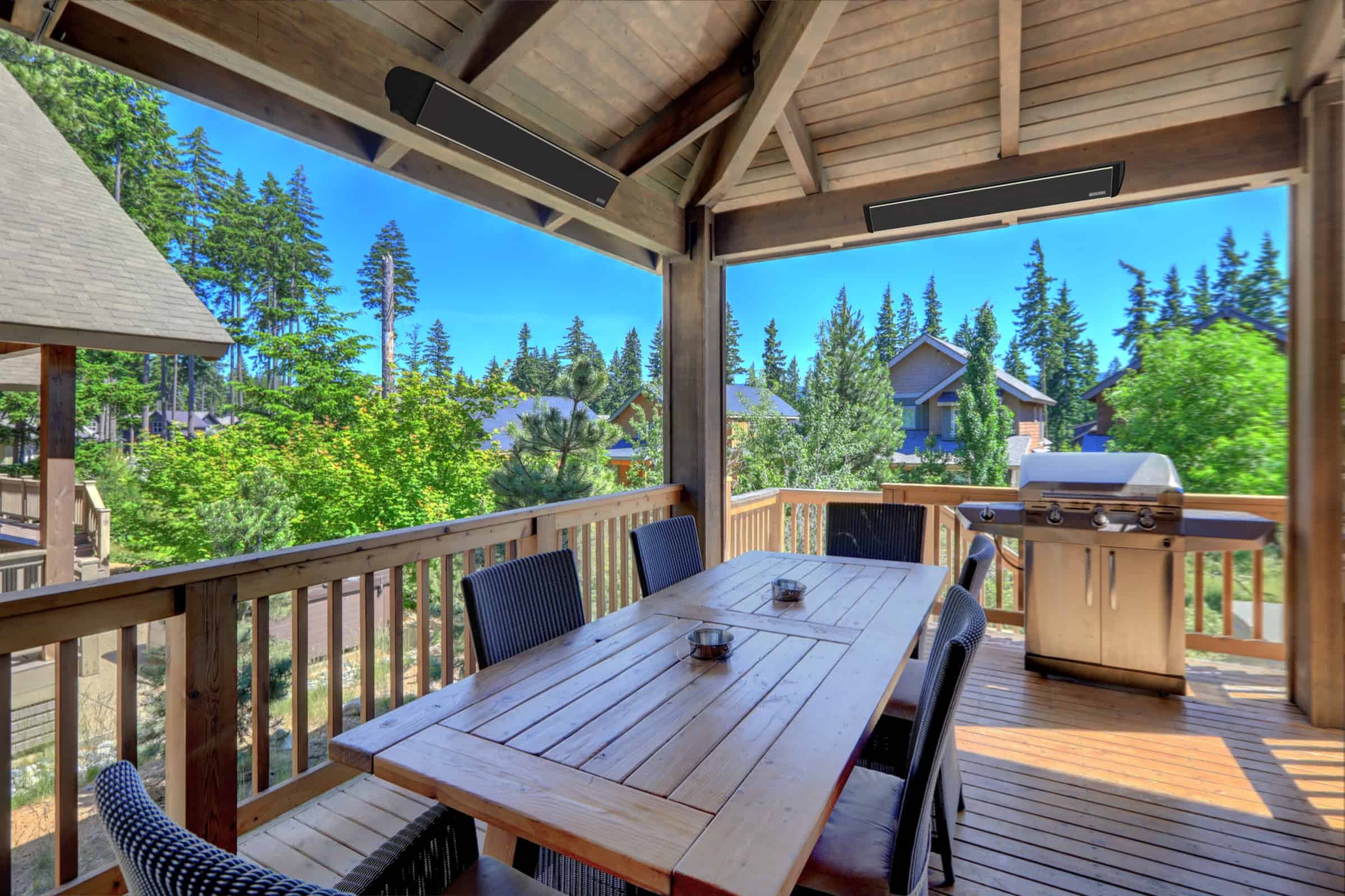
Clearance Guide: Safe Patio Heater Distance from the Ceiling
Ensuring proper clearance between a patio heater and the ceiling is essential for safe operation, effective heating, and compliance with building codes. Various factors—like heater type, ceiling material, and ventilation—play a crucial role in determining how close a heater can be installed to the ceiling. This guide provides detailed insights and practical recommendations to help you achieve a safe and efficient installation.
How to Think About Patio Heater Ceiling Clearance
Patio heater ceiling clearance depends on the heater model, wattage, mounting angle, ceiling material, and surrounding surfaces. For electric infrared heaters, the safest starting point is always the product installation manual, because each model has specific clearance requirements for ceilings, walls, and combustible materials.
Why clearance matters
Electric infrared heaters are designed to direct radiant warmth toward people and surfaces. If the heater is installed too close to a ceiling, beam, wall, fabric, wood, or other combustible material, it can create unnecessary heat exposure and reduce installation safety.
- Ceiling material affects safe installation distance.
- Mounting height influences heat coverage and comfort.
- Wall, beam, and side clearances are just as important as ceiling clearance.
Why placement matters
Correct placement helps the heater perform better. A patio heater should be positioned so the radiant heat reaches the seating, dining, or work area directly instead of being blocked by beams, fans, umbrellas, lighting, or furniture.
- Place heaters where people actually sit or gather.
- Avoid mounting behind obstacles that block radiant heat.
- Use controls to reduce unnecessary run time when the area is not occupied.
| Installation Factor | What to Check | Why It Matters | Recommended Next Step |
|---|---|---|---|
| Ceiling Clearance | Distance between the heater and the ceiling or overhead structure. | Too little clearance can create unsafe heat exposure near overhead materials. | Check the specific Aura installation manual for the model being installed. |
| Side Clearance | Distance from walls, beams, posts, curtains, plants, furniture, and other nearby materials. | Side clearance helps prevent heat concentration around surrounding objects. | Confirm side and rear clearance requirements before mounting. |
| Mounting Height | How high the heater is mounted above the seating, dining, or work area. | Mounting height affects both comfort and coverage. Too high may reduce perceived warmth. | Choose the model and mounting location based on the area you need to heat. |
| Covered Patio or Pergola | Ceiling material, beam placement, airflow, enclosure level, and nearby combustible surfaces. | Partially covered spaces need careful heater placement to balance comfort and safety. | Review installation documents before mounting under a cover or pergola. |
| Commercial Patio | Layout, table spacing, traffic flow, electrical access, and code requirements. | Restaurants and hospitality spaces need safe, consistent heat coverage for guests and staff. | Plan heater locations before installation to avoid uneven heating or code issues. |
Important safety note
Do not guess patio heater clearance based only on general online advice. Always follow the installation manual for the exact heater model and consult a qualified electrical contractor when planning permanent electric infrared heater installation.
Factors Affecting Clearance
Several key factors determine the required clearance for ceiling-mounted heaters:
- Heater Type and Size: Gas heaters typically require more clearance than electric patio heaters, as they produce exhaust gas. Electric heaters, like those in the Aura Collection, have lower clearance requirements but still need sufficient space to prevent overheating.
- Ceiling Height and Material: High ceilings allow more flexibility in heater placement. If the ceiling is made of combustible materials (e.g., wood), increased clearance is required to avoid fire hazards.
- Ventilation: Proper airflow is essential, especially for gas heaters, to prevent the buildup of carbon monoxide. Make sure the area is ventilated adequately to ensure safe operation.
- Use of Heat Deflectors: Installing a heat deflector can help reduce the required clearance by directing heat away from the ceiling.
Recommended Ceiling Clearance
For most ceiling-mounted patio heaters, the recommended minimum clearance from the ceiling is 2 to 3 feet (60 to 90 cm). However, always refer to the manufacturer’s instructions for precise specifications.
- Flush-mounted heaters from the Aura Collection can often be installed closer to the ceiling due to their design, but still require adherence to clearance guidelines.
- Gas heaters need greater clearance for exhaust gases, while electric models offer more flexibility.
- Confirm that your installation meets local building codes and regulations to avoid safety issues or legal complications.
For detailed product manuals and technical specifications, explore Aura Heaters’ Resources.
Indoor vs. Outdoor Use
The placement and clearance requirements for patio heaters differ between indoor and outdoor settings:
- Indoor Use: Gas heaters require adequate ventilation and carbon monoxide detectors to prevent the buildup of toxic gases. Consult local building codes and ensure compliance with indoor installation requirements.
- Outdoor Use: Ensure clearance from combustible materials such as wooden beams in covered outdoor spaces like patios or pergolas. To ensure safety, use heaters from the Aura Collection.
- Always follow the manufacturer’s instructions to ensure the safe and proper use of the heater.
Installation and Placement Tips
To install a patio heater safely and effectively, follow these recommendations:
- Mounting and Brackets: Secure the heater to the ceiling using appropriate mounting hardware and brackets. Check for stability, especially if you’re mounting in high-traffic areas.
- Maintain Clearance Distances: Ensure the heater maintains the recommended clearance from the ceiling and walls.
- Access to Power and Ventilation: If installing an electric model, ensure easy access to power outlets. For gas heaters, confirm proper ventilation to prevent exhaust buildup.
For professional guidance, reach out to Aura Heaters’ outdoor heating specialists.
Maintenance and Inspection
Regular maintenance and inspection are necessary to keep your heater running safely and efficiently:
- Annual Servicing: Schedule an annual professional inspection to check for worn or defective parts.
- Regular Cleaning: Clean the heater regularly to remove dust or debris that could affect performance.
- Check for Leaks or Damage: Inspect gas heaters for signs of leaks or damage. Electric models should also be checked for any hardware or electrical issues.
- Always follow the manual and technical documentation provided by the manufacturer for maintenance recommendations.
Frequently Asked Questions (FAQs)
Can I Install a Patio Heater Under a Wooden Ceiling?
Yes, but you must maintain sufficient clearance from the wood to avoid fire risks. Installing a heat deflector can reduce clearance requirements. Always follow the product manual and consult technical resources for specifics.
Is It Safe to Use a Patio Heater Indoors?
Gas heaters can only be used indoors if adequate ventilation and carbon monoxide detectors are installed. Electric heaters like those from the Aura Collection are a safer choice for indoor spaces.
How Often Should I Service My Patio Heater?
Annual servicing is recommended to ensure safe operation. Regular inspections help identify potential issues and keep your heater running smoothly throughout the season.
Conclusion
Proper clearance between a patio heater and the ceiling is essential for safe and efficient operation. When installing your heater, always follow the manufacturer’s instructions and local building codes. Whether indoors or outdoors, maintaining the correct clearance from ceilings and combustible materials ensures safety and optimal heating performance.
Visit the Aura Technology page for more information on installing and maintaining electric patio heaters. Need assistance? Contact Aura’s outdoor heating specialists to ensure safe installation and setup.