
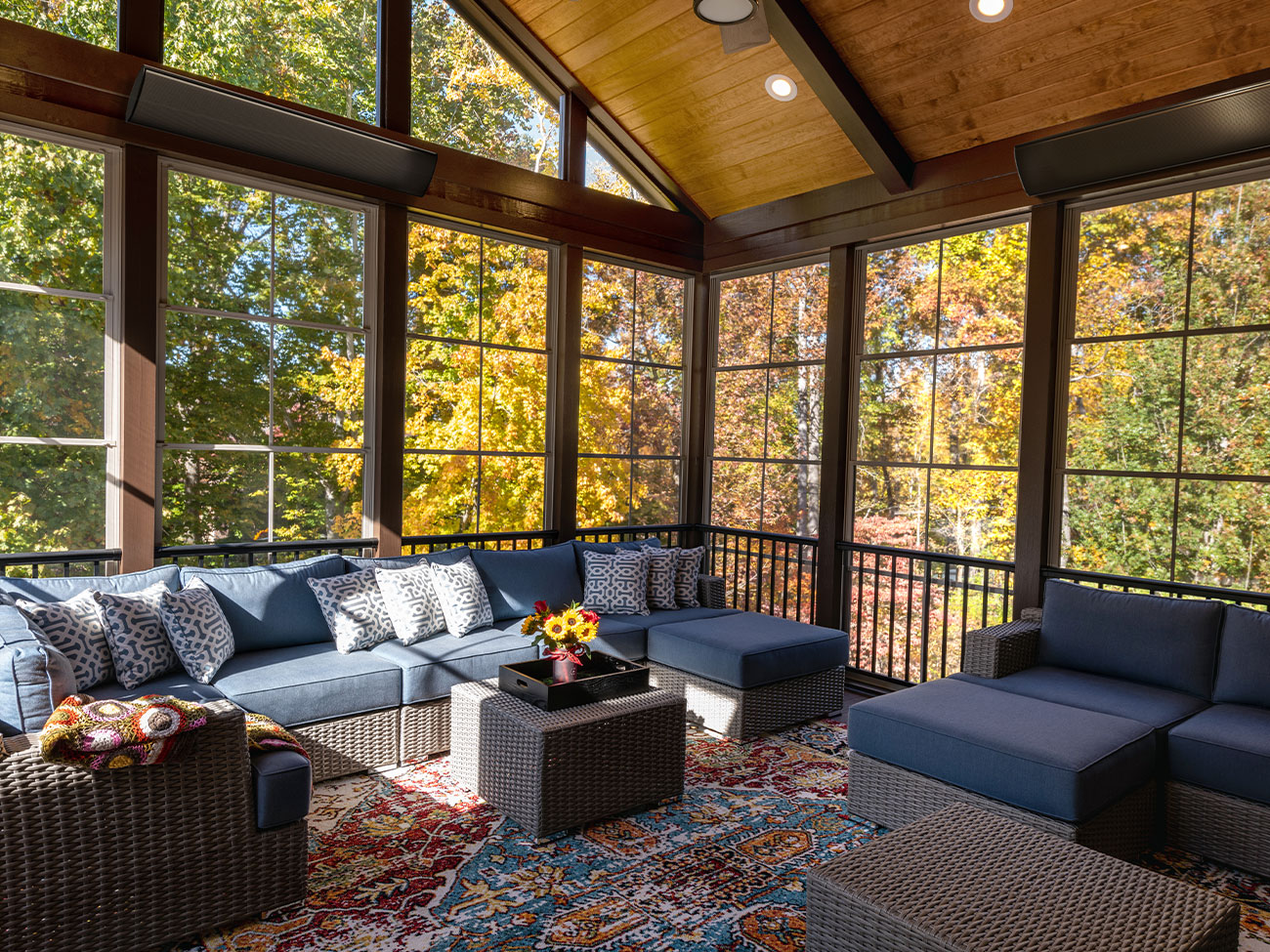
Find your heating fit
Start with your space, its exposure to wind, and the way you want to use it. Compare Aura’s Carbon Fiber, Décor Glass, and Shadow collections, then check the mounting and electrical requirements for your project.
Three collections. Different spaces.
Compare Aura Heater Collections
The right starting point depends on exposure, appearance, and mounting conditions. Use these differences to narrow your choice.
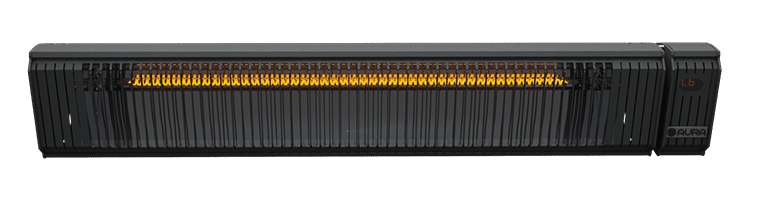
Carbon Fiber Series
Start here for open or wind-exposed areas
Fast, directional radiant heat for patios, pergolas, garages, and suitable commercial spaces. Integrated controls and remote operation simplify day-to-day use.
- Suitable starting point for greater outdoor exposure
- Low-glare carbon fiber elements
- Model-specific mounting and clearance requirements
Explore modelsCF1500 · CF3000 · CF6000
Explore Carbon Fiber Series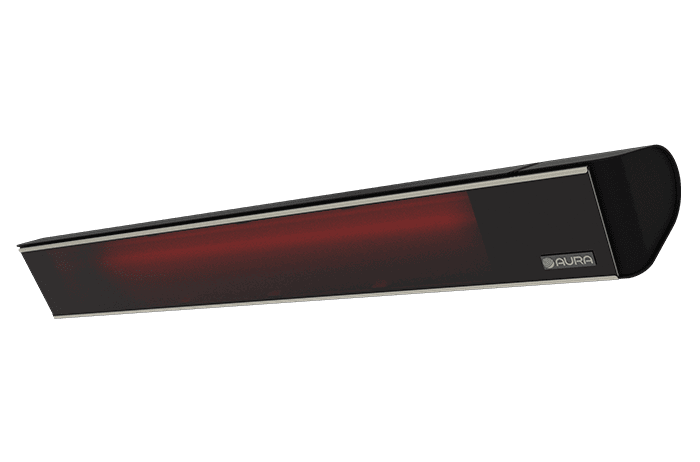
Décor Glass Series
Consider for protected architectural spaces
A low-glare tinted glass panel for pergolas, outdoor kitchens, and design-focused seating areas where the heater’s appearance is part of the plan.
- Architectural glass-panel design
- Reduced visible operating light
- Match output to the occupied area and layout
Explore modelsADGLASS1500 · ADGLASS3000
Explore Décor Series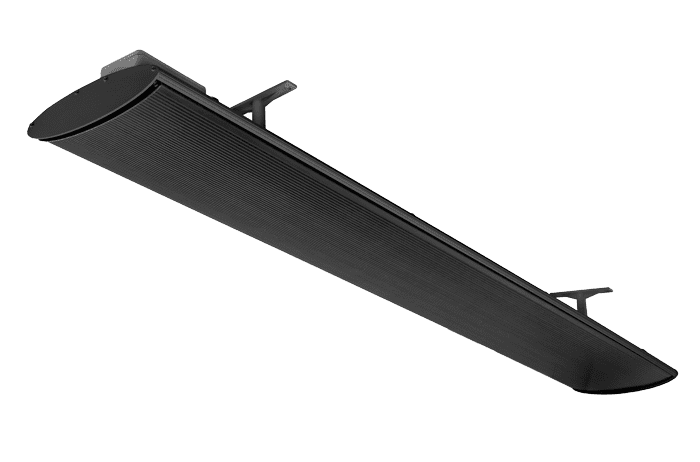
Shadow Series
Consider for protected spaces in moderate climates
No-light, long-wave radiant comfort for indoor, enclosed, semi-enclosed, or covered locations. The current manual advises against exposed or windy installations.
- No visible operating glow
- For suitable indoor or covered environments
- Check model-specific mounting instructions
Explore modelsShadow 1500 · Shadow 2400 · Shadow 3200
Explore Shadow SeriesProduct images show the collection’s design. Confirm the exact model, voltage, clearances, and installation suitability in the current technical documents.
At a Glance: Which Series Fits?
Compare the main selection priorities before reviewing individual models.
| Your priority | Carbon Fiber | Décor Glass | Shadow |
|---|---|---|---|
| Space and exposure | Open or semi-exposed patios and suitable commercial zones | Protected pergolas, outdoor kitchens, and architectural seating areas | Indoor or covered areas in moderate climates |
| Appearance | Low-glare carbon fiber elements | Tinted architectural glass | No visible operating glow |
| Before choosing | Confirm output, voltage, mounting height, and clearances | Match the model to the layout and installation requirements | Avoid exposed or windy locations; follow the current manual |
On a smaller screen, swipe across the table to compare all three collections.
Choose by your space
Find a Starting Point for Your Project
Match the heater to the occupied area, wind exposure, and available mounting positions. Explore the application guide for your space.
Patio
Patios balance moderate exposure with the need for uniform radiant heat. Residential patios pair well with the Carbon Fiber Series, particularly the CF3000, which provides a precise heat footprint at common ceiling heights. For open or wind-exposed patios, the CF Series is the stronger starting point. Shadow is better suited to protected, enclosed, or semi-enclosed areas in moderate climates. Additional patio-specific guidance is available on the Patio Heating page.
Pergola
Pergolas require targeted radiant distribution, low visual impact, and flexible mounting. The Décor Series addresses these demands through glass-panel emitters that minimize glare and preserve architectural lines. Compact pergolas align with the ADGLASS1500, while larger spans benefit from the ADGLASS3000. Semi-exposed pergolas may also integrate the Carbon Fiber Series for additional coverage. More design considerations can be found on the Pergola Heating page.
Outdoor Kitchen
Outdoor kitchens require low-glare radiant heat and minimal visual intrusion. The Décor Series supports this design priority, providing a refined appearance above prep areas and dining counters. In layouts where seating extends beyond the kitchen shelter, a Carbon Fiber Series heater can supplement overall coverage. Details for outdoor kitchen installations appear on the Outdoor Kitchen Heating page.
Garage or Workshop
Garage and workshop heating should focus on occupied work zones and the suitability of the room. Shadow provides no-light comfort in protected spaces, while CF offers fast directional heat for suitable installations. Confirm model-specific clearances and installation requirements before selection. See the Garage Heating page.
Restaurant Patios
For restaurant patios, consider the CF Series for open or exposed seating and Decor Glass for protected areas where appearance and reduced visible light are priorities. Shadow should be considered only for suitable indoor or covered environments in moderate climates. See the Restaurant Heating page.
Commercial Outdoor Spaces
Commercial terraces, courtyards, and hotel patios need a layout matched to their exposure and occupied zones. CF is generally the stronger starting point for greater outdoor exposure, while Decor Glass suits protected architectural areas. Review the Commercial Gas Replacement page for project guidance.
Gas Heater Replacement
Electric infrared heating can be an option for replacing outdoor gas heaters. The heating layout and electrical service must suit the project. Compare current CF models with Aura and review the commercial gas replacement overview.
Before selecting a model
Plan the Heater Around Your Space
A series recommendation is the first step. Wattage, quantity, and mounting positions need to suit the way the area is used.
1. Check wind exposure
Open or wind-exposed spaces generally favor CF. Reserve Shadow for protected indoor or covered locations in moderate climates. Consider Décor Glass for protected, design-focused areas.
2. Measure the occupied area
Focus on seating and work zones, rather than overall patio or garage dimensions alone. Use the model’s coverage information to plan output and quantity.
3. Confirm mounting positions
Check available mounting height, angles, and clearances. Wall mounting and ceiling suspension must follow the current instructions for the exact heater.
4. Review the electrical service
Confirm available voltage and the requirements for the model and project location before installation. Include these details when requesting a heating layout.
Mounting matters: CF and Shadow heaters must not be recessed. Review the current installation manuals and the ceiling-mounting guide before planning the installation.
Compare Installation and Operating Needs
Total cost includes more than heater output. Review the equipment, installation, controls, and expected use together.
- Carbon Fiber: integrated controls and wireless remotes help reduce system complexity.
- Shadow: choose switching or thermostat arrangements to suit the protected space and installation.
- Décor Glass: consider the heater’s architectural appearance alongside its output and mounting requirements.
Heater Selection Questions
Get quick answers to common questions before comparing specific models.
Which Aura heater is best for a windy or exposed outdoor space?
The CF Series is generally the stronger starting point for wind-exposed patios. The current Shadow manual advises against installation in exposed or windy locations. Final model selection depends on exposure, mounting height, available voltage, and the occupied area.
What is the best Aura heater for pergolas and outdoor kitchens?
Design-focused environments such as pergolas and outdoor kitchens align with the Décor Series, where low-glare glass panels and controlled radiant output complement architectural installations.
Which Aura heater works best for garages or workshops?
Protected garages and workshops may suit Shadow where no visible light is preferred, while CF may suit projects needing faster directional heat. Confirm that the exact model, mounting position, clearances, electrical service, and room use meet the current instructions.
Can Aura heaters replace propane or natural gas patio heaters?
Electric infrared heating may be suitable for replacing gas patio heaters. The appropriate current model and quantity depend on exposure, occupied-area coverage, mounting positions, available electrical service, and the requirements in the installation manual.
Which heater is best for restaurant patios and commercial outdoor areas?
Consider CF for exposed restaurant patios and Decor Glass for protected, design-focused hospitality spaces. Shadow is intended for indoor or covered environments in moderate climates. Aura can help compare models for your project.
Make the next step easier
Get a Recommendation for Your Space
Share photographs, dimensions of the occupied area, mounting height, wind exposure, available voltage, and your project location. Aura can help compare suitable models and provide documentation for your installer.